All Categories
Featured
Table of Contents
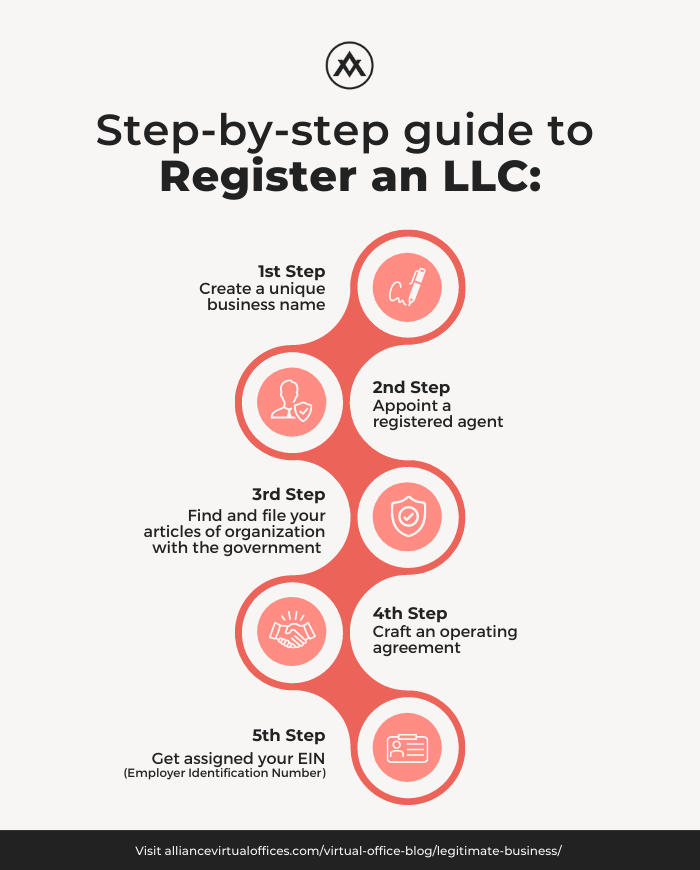
That indicates the name can not be too similar to the name of another domestic or competent LLC or other business entity that is on the Secretary of State's records. Important note for existing organizations: If you're transforming from a sole proprietorship and currently run under a "doing company as" (DBA) name or brand name, you might desire to utilize that name for your LLC.
2026 Strategic Templates for GrowthNevertheless, you'll still need to verify the name is offered, even if you've been utilizing it as a DBA. To check the availability of your desired LLC organization name, you should conduct a name search through your Secretary of State's website to see if that name is currently in use.
It's also a great concept to conduct a USPTO hallmark search to avoid infringing on existing hallmarks. When beginning a new LLC, you will require to have a signed up representative in the state of development. If you later register your LLC to do service in another state (foreign credentials), you'll likewise need a registered agent in that state.
These documents can include: Service of process (summons and grievance alerting your LLC of a claim) Subpoenas and other legal notices Communications from the Secretary of State (such as annual report reminders or compliance notifications) Tax documents from the state's department of taxation Wage garnishment orders The main purpose of a signed up agent is to guarantee your LLC can get service of process.
While the owner of an LLC can select to act as the signed up agent for the LLC, there are a variety of compelling reasons why organization owners will pick a signed up representative provider to help with this important requirement. To name a few things, if the registered representative is not readily available when time-sensitive files are provided, or if the person receiving them mishandles them, this can develop major problems for the LLC.

Finding the Perfect Niche Market Today
The signed up agent needs to also have a physical address in the state and can not utilize a PO Box. LLCs offer two management structures: "member handled" and "manager handled". A member-managed LLC is where all LLC members (owners) participate in running business. In a manager-managed LLC, the LLC is run by managers who have actually been appointed by the LLC's owners.
An LLC operating contract is needed in nearly every state. While many states allow oral agreements, it is highly suggested that every LLC have a composed operating arrangement. As the name indicates, this document is a contract among the LLC members (owners) and between the LLC and the members regarding how the LLC will be run.
This shows that you respect the LLC's separate presence (and this can assist avoid piercing the veil). An operating agreement also provides you an opportunity to put in composing what you desire to happen in certain scenarios, such as if you can no longer handle the business. It also permits you to bypass or opt out of certain default provisions of the state LLC statute that might not line up with your business requirements.
This file will clearly define the department of ownership, labor and profits, and typically heads off disagreements amongst the owners. It ought to information, to name a few things, who has authority to do what, what vote is needed to approve particular transactions, how subscription interests can be transferred, how brand-new members can be added, how circulations, earnings and losses will be split, and more.
To make your brand-new LLC exist formally, you must file LLC development documents with the Secretary of State's office (or whichever department manages organization filings in your formation state). This document is typically referred to as Articles of Organization, Certificate of Organization, or Certificate of Development.
Essential Brand Strategies to Name a New Business
LLC formation documents vary by state, but many require: LLC name, principal location, and purpose of the organization Registered representative's name and physical address Whether the LLC will be member-managed or manager-managed Standard types for the Articles of Organization for an LLC are generally available from each state. The individual who obtained the LLC should sign the documents.
In some states, you must likewise include the signed up agent's grant act as the registered agent for the LLC. As soon as approved and filed, the state will issue a certificate or other verification file. The certificate acts as legal evidence of the LLC's status and can be utilized to open a business checking account, acquire an EIN, and so on.
Technically, the appropriate method to describe the creation of an LLC (or any entity type besides a corporation) is to state that the business has actually been "formed" or "organized". "Incorporation" and Articles of Incorporation are terms that are meant to apply to a corporation (regardless of whether it is taxed as a C corporation or S corporation).

Latest Posts
Predicting Value with Machine Learning in 2026
Defining Community-Led Growth in 2026
Anticipating Consumer Behavior with Data Strategy Tools in 2026